Dallas: Then, Now & Next | Part 11: Downtown Richardson Is Growing Up: What's Happening in The CORE District?
Dallas: Then, Now & Next | Chapter Three: Neighborhoods Reinvented
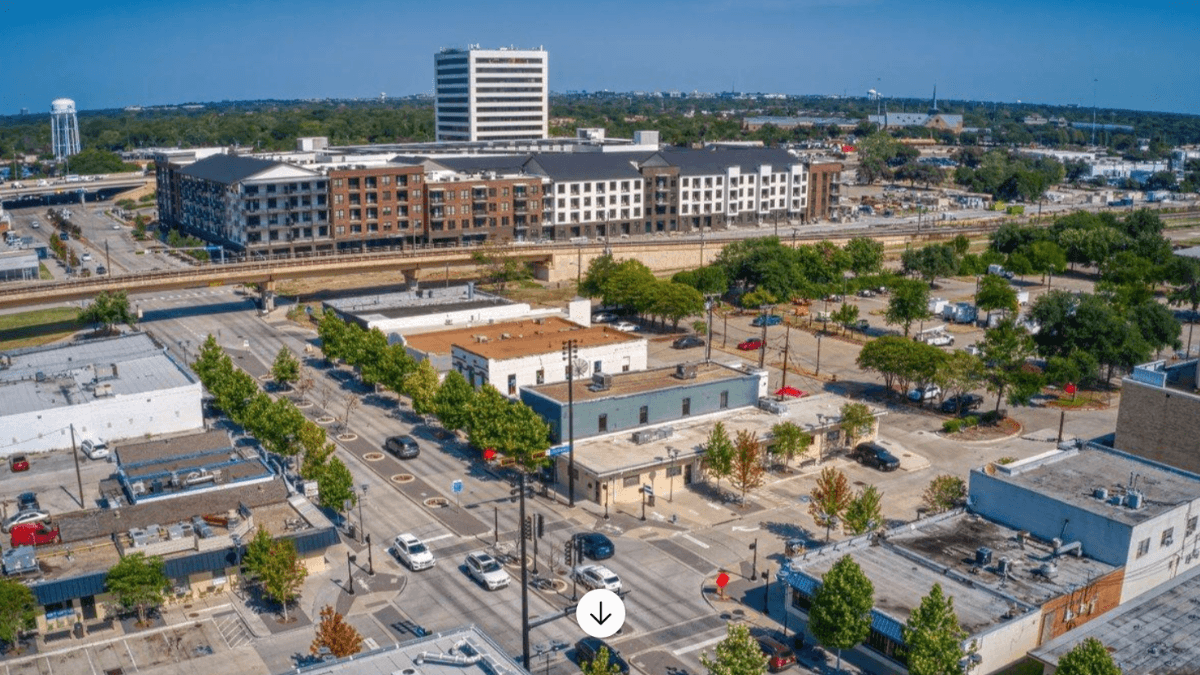
Part Eleven: Downtown Richardson Is Growing Up: What's Happening in The CORE District?
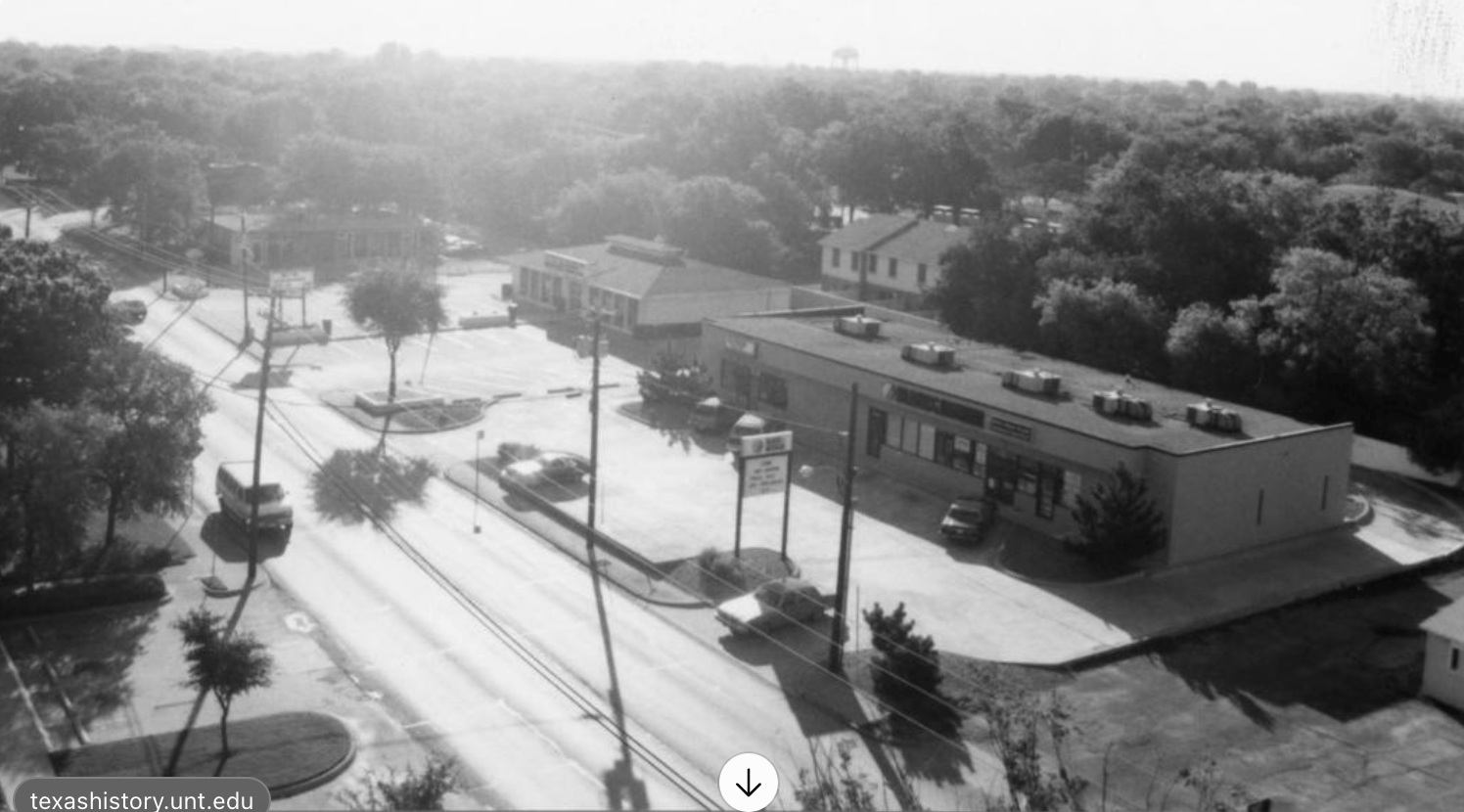
If you grew up around Richardson, you probably remember when Downtown Richardson wasn't exactly the place you went to spend an afternoon.
You drove through it.
Maybe you had a favorite little restaurant or business along Main Street. Maybe you remember the older storefronts, familiar intersections and the feeling that this part of town belonged to another era.
It certainly didn't look like the kind of place where people would someday live above restaurants, walk through a new urban park or gather for festivals in the middle of a revitalized downtown.
But that's exactly what's happening.
And the interesting part?
Richardson isn't creating a downtown from scratch.
It's rediscovering the one it already had.
Before the Telecom Corridor, There Was Downtown Richardson
Long before Richardson became known for its technology companies, corporate campuses and established residential neighborhoods, it was a small railroad town.
Richardson was chartered in 1873, and its early commercial center developed around what we now recognize as the downtown area.
By 1881, the community had general stores, grocery stores, drugstores, doctors, cotton gins and churches.
This was where people conducted business, bought supplies and connected with their neighbors.
It was Richardson's original center of activity.
Of course, the city didn't stay small.
During the 1950s and 1960s, Richardson experienced tremendous growth as technology companies, including Collins Radio and Texas Instruments, helped attract new residents and businesses.
Neighborhoods expanded. Shopping patterns changed. New commercial corridors emerged.
And like many older downtowns across North Texas, Richardson's original business district eventually had to compete with an entirely different kind of suburban development.
The city grew outward.
The center of activity shifted.
But Downtown Richardson remained.
An Old Downtown With a New Problem
Here's something interesting about established suburbs.
They eventually reach an age when some of their earliest commercial areas need to be reconsidered.
Buildings get older.
Infrastructure needs attention.
Traffic patterns change.
And the kind of development that worked beautifully in one decade may not be what residents want several decades later.
Richardson recognized that challenge years ago.
In 2009, the city identified the Main Street area as one of several places needing redevelopment and reinvestment.
A community visioning process followed in 2012, with zoning changes adopted in 2015 and 2016 to help support a different future for the area.
The goal wasn't simply to make the streets look prettier.
It was to create a more connected, walkable environment with new opportunities for housing, businesses, restaurants and community gathering spaces.
Essentially, the city began asking a very important question:
What could Downtown Richardson become if people had more reasons to stay instead of simply driving through?
Meet The CORE District
Today, Richardson's original downtown is part of something larger called The CORE District.
And despite the name, it isn't just one development or one stretch of Main Street.
The district includes five distinct neighborhoods:
-
Downtown: Richardson's historic Main Street and original business center.
-
Heights: The area surrounding one of Richardson's earliest shopping centers, now home to a mix of dining, shopping and entertainment.
-
Interurban: A former industrial area evolving into a destination for small businesses and creative uses.
-
Lockwood: An emerging collection of restaurants, breweries, independent businesses and thoughtfully repurposed buildings.
-
Chinatown: One of the area's most recognizable destinations for Asian restaurants, markets, bakeries and cultural experiences.
Each neighborhood has its own personality.
And that's what makes this redevelopment approach especially interesting.
Instead of trying to make everything look and feel the same, The CORE brings together several areas that already have their own history and identity.
It's a little bit old Richardson.
A little bit new Richardson.
And a pretty good reminder that interesting neighborhoods rarely happen overnight.
Belt + Main: A Very Different Kind of Downtown Development
One of the most visible changes arrived in April 2025, when Richardson celebrated the opening of Belt + Main.
Located at 150 W. Main Street, this mixed-use development combines residential living with ground-floor restaurants and retail space.
The design includes four- and five-story buildings along Main Street, along with lower-rise townhome-style residences along historic Interurban Street.
That's quite a departure from the traditional suburban commercial development many of us associate with Richardson.
Instead of separating homes, restaurants, shops and public spaces into entirely different parts of town, Belt + Main brings several of those uses together.
The idea is simple.
People can live in the neighborhood.
Walk outside for coffee.
Meet friends for dinner.
Spend time in a public space.
And experience Downtown Richardson as an actual neighborhood rather than just a collection of businesses along a busy road.
Of course, one new development doesn't transform an entire downtown by itself.
But it can change the possibilities.
Interurban Common: The Little Park With a Bigger Purpose
Across from Belt + Main is another important piece of Richardson's downtown transformation.
Interurban Common.
The approximately 2.5-acre linear park opened in April 2025 along Interurban Street between Main and Jackson streets.
It includes pedestrian pathways, landscaping, gathering spaces, pavilions and connections to the city's trail network.
At first glance, it might seem like a relatively modest addition.
After all, Richardson already has plenty of wonderful parks and green spaces.
But this park serves a different purpose.
It's designed to connect places and people in an urban environment.
Instead of being somewhere you necessarily drive to for a dedicated park outing, it's somewhere you might walk through on your way to dinner, stop while exploring downtown or visit for a community event.
That difference matters.
Because truly walkable neighborhoods need more than sidewalks.
They need destinations.
They need comfortable spaces between buildings.
And they need reasons for people to spend time outside.
Interurban Common helps create that experience.
There's also a wonderful historical connection in the name.
Long before today's redevelopment, electric interurban rail helped connect communities such as Richardson with the surrounding region.
Now, more than a century later, the idea of connection is helping shape downtown again.
Different transportation era.
Same underlying theme.
The Restaurants and Small Businesses Are Part of the Story
Buildings and streetscapes are important.
But they're not what ultimately give a neighborhood its personality.
People and businesses do that.
One of the encouraging things about The CORE District is its emphasis on locally owned businesses, restaurants and distinctive destinations.
Downtown Richardson has seen new restaurant concepts arrive, existing businesses reinvest and additional dining and retail opportunities emerge alongside redevelopment.
Partenope Ristorante, for example, has announced expansion plans in the Downtown neighborhood.
And 1418 Coffee, a North Texas coffee business founded by Richardson native David Bryant, announced plans in 2026 to open a Main Street location.
Those kinds of businesses help make a neighborhood more than a collection of new apartments and attractive streets.
They give people reasons to return.
Maybe you try a restaurant you've been hearing about.
Maybe you stop for coffee.
Maybe you discover a little business you didn't know was there.
And suddenly, a part of town you've driven through for years becomes somewhere you actually want to spend time.
That's when a neighborhood starts feeling different.
What's Next for Downtown Richardson?
The city isn't treating Belt + Main and Interurban Common as the finish line.
Richardson has continued investing in Main Street improvements, drainage, parking, pedestrian connections and other infrastructure supporting the redevelopment area.
Additional private investment has also been announced.
In 2026, developers broke ground on a planned 281-unit multifamily community in The CORE District, adding another potential piece to the neighborhood's residential future.
That doesn't mean every proposed project will unfold exactly as originally envisioned.
Development takes time.
Markets change.
Businesses evolve.
And the success of a downtown depends on much more than opening new buildings.
But the larger direction is clear.
Richardson is working to make its historic downtown a place where people can live, gather, shop, dine and experience their community in a more connected way.
And for a city that became so strongly associated with suburban neighborhoods and office corridors, that's an interesting shift.
Why This Matters for Richardson Real Estate
Here's where the REALTOR® in me gets especially interested.
When people talk about real estate, the conversation often centers on the house itself.
Square footage.
Floor plans.
Updates.
Lot size.
School districts.
And yes, all those things matter.
But so does everything surrounding the property.
Where do people spend their weekends?
Can they walk somewhere interesting?
Are there nearby restaurants, parks and gathering places?
What investments are happening in the surrounding community?
And how might a neighborhood evolve over the next five or ten years?
Redevelopment can create new amenities and housing choices in established areas, while also bringing questions about traffic, parking, affordability and how new construction fits alongside older neighborhoods.
Those are all worth considering.
It would be a mistake to assume that every redevelopment project automatically increases nearby property values.
Real estate is much more nuanced than that.
But thoughtful reinvestment can influence how people experience a neighborhood and how they perceive its long-term appeal.
That's one reason I enjoy following projects like The CORE District.
They're not just stories about new buildings.
They're stories about how established communities adapt.
Richardson Isn't Starting Over. It's Building on What Was Already There.
I think that's my favorite part of this story.
Richardson could have allowed its original downtown to remain simply an older commercial corridor while development continued elsewhere.
Instead, the city and private developers have been working to give the area another chapter.
The railroad town of the 1800s became a thriving postwar suburb.
The technology boom helped define Richardson's identity for generations.
And now, in one of the city's oldest neighborhoods, a different kind of growth is taking shape.
More walkable.
More connected.
More focused on gathering places and local experiences.
Not everything about that transformation is finished.
And that's part of what makes it worth watching.
Because sometimes the most interesting thing happening in a city isn't the newest development on the outskirts.
It's the reinvention of the place where everything started.
Go Explore The CORE This Weekend
If you haven't visited Downtown Richardson lately, this is a particularly good week to change that.
The city's Culture in The CORE Food and Music Festival is scheduled for Saturday, November 7, 2026, from noon to 4 p.m. at Interurban Common.
The festival celebrates Richardson's diverse communities through food, music, dance, arts and cultural experiences.
It's also an opportunity to see the new park and surrounding development for yourself.
Take a walk.
Explore Main Street.
Notice the mix of old and new.
And see how different Downtown Richardson feels from the place many of us remember.
Sometimes the best way to understand how a city is changing is simply to get out and experience it.
More Local History and Neighborhood Stories
If you enjoy learning how familiar North Texas places came to be, you might also enjoy these stories:
Before It Was North Dallas: How a Railroad Created Richardson
A look at how Richardson's original townsite and the railroad helped shape the community we know today.
Before DART, There Was the Interurban
Long before today's transit connections, electric railways were helping link North Texas communities.
My ongoing series exploring familiar Dallas-area landmarks, redevelopment projects and the places changing around us.
Coming Next Wednesday: From Industrial to Interesting
We'll stay in Richardson for a closer look at the Lockwood neighborhood, where older buildings, independent businesses and creative redevelopment are helping create an entirely different kind of local destination.
Thinking About Buying or Selling in Richardson?
I've been helping buyers and sellers navigate Richardson and North Dallas real estate since 2000, and I know that choosing the right home involves much more than finding the right floor plan.
It's about understanding neighborhoods, local market conditions, community amenities and the changes happening around you.
Whether you're considering a move within Richardson, relocating to North Dallas or wondering how nearby redevelopment could affect your real estate decisions, I'd love to help. Let's discuss your goals and next steps!
Keep Reading
- Previous in the series: Dallas: Then, Now & Next | Historic Dallas Landmarks - Before It Was The Mansion: The Dallas Estate That Became a Legend
- Before It Was North Dallas: Part Eight: The Red Brick Road That Changed Richardson
- Dallas: Then, Now & Next | Part 2: Remember Collin Creek Mall? From Plano Shopping Destination to a Whole New Neighborhood
Explore the full Dallas: Then, Now & Next series.

Kelly Reber, REALTOR® | eXp Realty LLC | Texas License #0483312
Licensed since 2000
Dallas | Richardson | Plano | Addison | North Dallas
Dallas native Kelly Reber has been helping buyers, sellers, relocating clients, and investors navigate North Dallas real estate since 2000. She combines deep local knowledge, data-driven strategy, and straightforward advice to help clients make confident real estate decisions.
Learn more: About Me
Categories
- All Blogs (145)
- Addison (1)
- Buyers (111)
- Dallas (17)
- Investors (46)
- Listings (2)
- McKinney (1)
- Plano (3)
- Richardson (12)
- Sellers (79)
- Series: Before it was North Dallas (10)
- Series: Dallas Day Trippin' (8)
- Series: Dallas Has a Story for That (1)
- Series: Dallas Neighborhoods to Watch (11)
- Series: Dallas Then Now Next (3)
- Series: Myth Monday (26)
- Series: RISD (7)
Recent Posts