Before It Was North Dallas, Part Five: The Caruth Farm, the Names We Still Use and the Story of Dr. M.C. Cooper
Before It Was North Dallas, Part Five: The Caruth Farm, the Names We Still Use and the Story of Dr. M.C. Cooper
The name Caruth appears throughout North Dallas.
There is Caruth Haven Lane, Caruth Hills, Caruth Terrace, Caruth Park and the Caruth Homeplace.
For many residents, those names are simply part of the local map. But they point back to a time when much of modern North Dallas consisted of farms, cattle operations and open land.
They also connect us to a more complicated history and to the extraordinary life of Dr. Marcellus Clayton Cooper, a man born enslaved on the Caruth farm who became the first licensed Black dentist in Texas.
Before the Neighborhoods
The Caruth family arrived in Dallas in the 1840s and built a legacy through farming and extensive land acquisition. Later generations continued managing, leasing and developing family property as Dallas expanded northward.
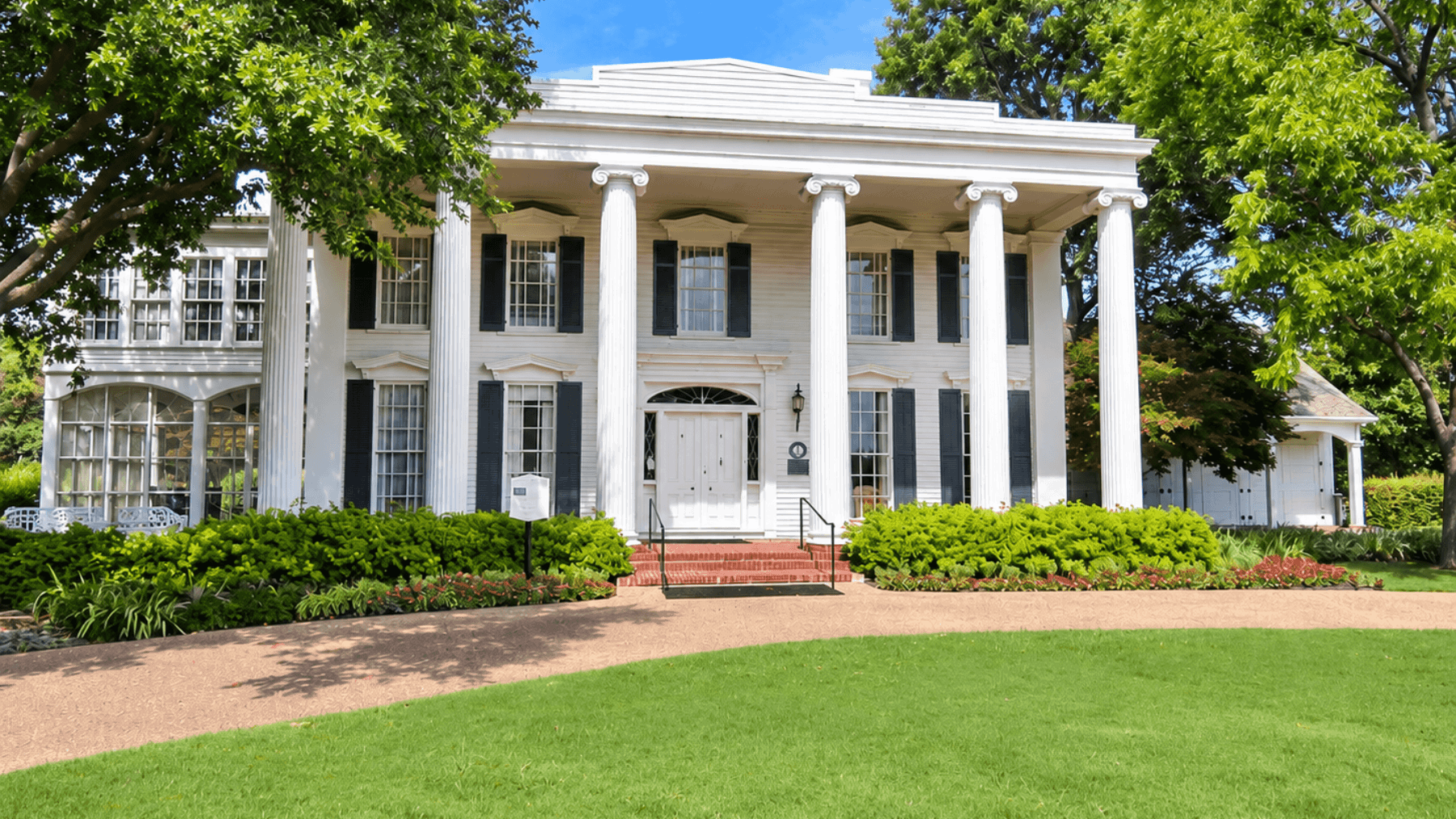
The surviving Caruth Homeplace dates primarily to the 1870s.
The main house was originally constructed between approximately 1872 and 1876 in an Italianate architectural style. In 1938, it was dramatically updated with the classical façade and prominent columns associated with the property today.
Communities Foundation of Texas purchased the remaining 5.9-acre Homeplace in 2000. Restoration work returned much of the property to its 1938 appearance while preserving portions of the earlier structure.
The house offers a rare physical connection to the period before North Dallas became densely developed.
But it does not tell the complete story of the land by itself.
The Story That Needed to Be Recognized
Marcellus Clayton Cooper was born enslaved on the Caruth farm in 1862.
After attending school in the White Rock area, he completed high school in Springfield, Missouri, and later returned to Dallas. He enrolled at Meharry Medical School in Nashville in 1891 and studied there until 1894.
In 1896, Cooper returned to Dallas with his dental license and became the first licensed African American dentist in Texas.
Establishing a professional practice was an exceptional achievement for any formerly enslaved person during that period. Doing so in the racial environment of late 19th-century Dallas required enormous perseverance, ability and courage.
Dr. Cooper built a successful dental practice that he maintained for approximately 30 years. His work and influence extended far beyond dentistry.
A Dentist, Banker and Community Builder
Dr. Cooper became a board member of the Dallas Negro Chamber of Commerce.
He helped found the Black-owned Penny Savings Bank and invested in Lewis Dry Goods Store, recognized as the city’s first Black-owned department store.
These accomplishments made him not only a medical pioneer, but also an important figure in Dallas business and civic life.
He used professional success to invest in a community that was routinely denied equal access to banking, business opportunities and public institutions.
His life represents a vital part of the North Dallas story, even though it was not historically given the same visibility as the prominent family whose name remained attached to the land.
Placing the Marker at the Homeplace
A Texas Historical Commission marker recognizing Dr. Cooper was approved in 2020 and later installed outside the Caruth Homeplace.
Communities Foundation of Texas formally dedicated the marker in December 2022, joined by community leaders and several of Dr. Cooper’s descendants.
The location matters.
Placing the marker at the Caruth Homeplace connects the preserved house to the fuller history of the land. It acknowledges that the story is not solely about property ownership, architecture or a prominent Dallas family.
It is also about the people who were enslaved there and the lives they and their descendants built afterward.
Preservation Should Tell the Whole Story
Preserving a historic building is important, but preservation is most meaningful when it tells the truth as completely as possible.
A beautiful house can reveal architectural tastes, construction techniques and the lives of its owners. Historical markers, archives and community storytelling can help us understand the experiences that were not always recorded inside the house itself.
The Caruth Homeplace and the marker honoring Dr. Cooper now occupy the same historic landscape.
Together, they tell a richer story than either could tell alone.
One shows how land, agriculture and real estate helped shape North Dallas. The other honors a man who overcame enslavement and systemic barriers to become a groundbreaking professional, businessman and community leader.
Before It Was North Dallas
That is ultimately what this entire series is about.
Before the office towers, subdivisions, restaurants and shopping districts, there were farms, railroad junctions, tiny independent towns and experimental radio laboratories.
There were people such as Miss Ammie, competing successfully in a male-dominated agricultural industry.
There were engineers in Richardson sending voices and photographs through space.
There was Addison Robertson, serving as a postmaster and becoming an unlikely undercover agent.
There was Dr. M.C. Cooper, born enslaved on North Dallas farmland and building a life that changed Texas history.
Those stories are still here, beneath familiar streets and behind names we may pass every day without noticing.
We just have to stop long enough to look for them.
What piece of North Dallas history do you think deserves to be remembered?
As a Dallas native and longtime North Dallas REALTOR®, I believe where we live is about more than property values and square footage. It is about understanding the people, places and decisions that gave each community its character. When you are preparing for your own next chapter, I am here to help you navigate the market while keeping that bigger local picture in view. Reach out, let's chat!
Next in the series: Roads, rails and the shape of the Suburbs
💻 Read the whole Before it was North Dallas Series here

Kelly Reber, REALTOR® | eXp Realty LLC | Texas License #0483312
Licensed since 2000
Dallas | Richardson | Plano | Addison | North Dallas
Dallas native Kelly Reber has been helping buyers, sellers, relocating clients, and investors navigate North Dallas real estate since 2000. She combines deep local knowledge, data-driven strategy, and straightforward advice to help clients make confident real estate decisions.
Learn more: About Me
Categories
Recent Posts