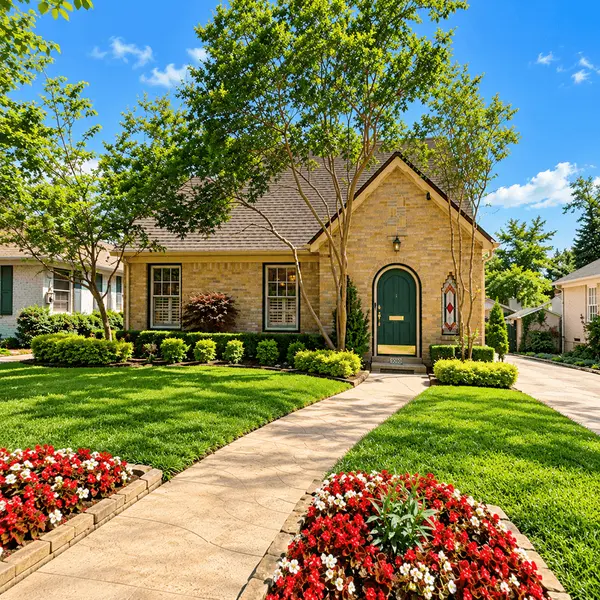
Myth Monday: “You Should Find the House Before Talking to a Lender”
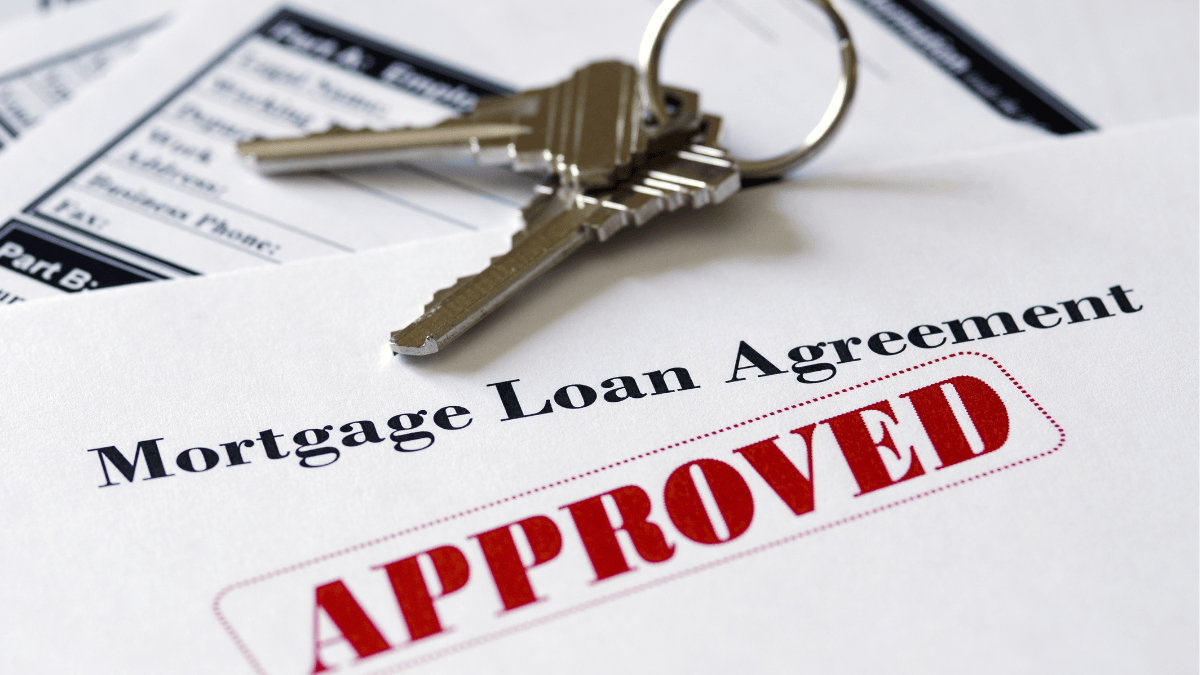
Myth Monday: “You Should Find the House Before Talking to a Lender”
“I just want to look at houses first.”
I understand why buyers feel this way.
Looking at homes is the fun part.
Talking about income, credit, interest rates, taxes, insurance and monthly payments?
Not nearly as exciting.
So it can feel perfectly logical to start scrolling through listings, tour a few houses, find one you love and then call a lender.
But that order can create problems.
Myth: You should find the house before talking to a lender.
Reality: The lender should usually come before the house hunt.
Understanding your financing first helps you know what you can comfortably spend, what your estimated payment may look like and what loan options may be available to you.
And when the right house appears, you're much better prepared to act.
Preapproval Gives Your Home Search a Starting Point
Before we start seriously looking at homes, one of the most useful things we can know is:
What price range actually makes sense for you?
A mortgage preapproval can help establish that.
The Consumer Financial Protection Bureau describes a preapproval as a lender's tentative willingness to lend up to a certain amount based on the information reviewed.
Freddie Mac similarly recommends comparing mortgage options and getting preapproved before beginning the home search so buyers have a clearer understanding of their price range.
That doesn't mean you should automatically spend the maximum amount a lender says you can borrow.
In fact, the CFPB makes an important distinction:
The lender determines how much it may be willing to lend. You decide how much you're actually comfortable spending.
Those are not always the same number.
The Purchase Price Isn't the Same as the Monthly Payment
This is one of the biggest reasons I prefer financing conversations early.
Buyers often start with a purchase price in mind.
“I want to stay under $500,000.”
But two $500,000 homes don't necessarily cost the same amount every month.
The actual housing expense can be affected by things like:
-
Down payment
-
Mortgage interest rate
-
Property taxes
-
Homeowners insurance
-
HOA dues
-
Mortgage insurance
-
Loan program
-
Seller-paid costs or credits
In North Texas especially, property taxes can vary meaningfully from one property to another.
So rather than simply searching for homes under a particular list price, I want buyers to understand what the estimated monthly payment looks like.
That allows us to search based on reality instead of an arbitrary number.
What You're Approved For May Not Be What You Want to Spend
Let's say a lender tells you that you may qualify to purchase up to $650,000.
Great.
That doesn't mean we immediately start touring $650,000 homes.
Maybe your comfort zone is really $550,000.
Maybe you want room in your budget for travel.
Maybe you have children in college.
Maybe you want to keep building savings.
Maybe you don't want your house payment determining every other financial decision you make.
Qualification tells us what's potentially available.
Your personal budget tells us what makes sense.
That's why I think one of the best questions to ask a lender isn't simply:
“How much can I qualify for?”
It's:
“What does the payment look like at several different purchase prices?”
Then you can make an informed decision.
Financing Can Change Which Homes Make Sense
This is where talking to the lender first can actually make your home search better, not more restrictive.
Different loan programs can have different requirements.
The amount of cash you have available may influence your options.
Your down payment strategy may change the payment.
Seller contributions may potentially help with certain costs, depending on the loan and transaction.
Certain property types may also create different financing considerations.
Once we understand your financing, I can help focus the search on homes that fit the actual plan.
Otherwise, we may spend time looking at properties that don't make sense financially.
Finding the House First Can Create an Emotional Problem
Here's the scenario I really want buyers to avoid.
You find the house.
It has everything.
The kitchen.
The backyard.
The neighborhood.
The office you've been wanting.
You can already picture where the furniture will go.
Now you call the lender.
And then you learn:
The payment is significantly higher than you expected.
Or you need more cash than you planned.
Or there's an issue with your credit that needs to be addressed.
Or the loan amount you're comfortable with is lower than the price of the home.
At that point, we're no longer making a purely financial decision.
We're trying to make the numbers fit a house you've already fallen in love with.
That's backwards.
I'd much rather know the numbers first.
Then when you fall in love with a house, we already know it fits the plan.
Preapproval Can Reveal Problems While There's Still Time to Fix Them
Another benefit of starting early is that sometimes the lender finds something unexpected.
The CFPB specifically notes that getting preapproved earlier in the process can uncover issues while buyers still have time to address them.
Maybe there's an error on your credit report.
Maybe a certain type of income needs additional documentation.
Maybe you're self-employed and the lender needs information you weren't expecting.
Maybe paying down a particular debt could improve your financing options.
Maybe the source of your down-payment funds needs to be documented differently.
Those things are much easier to deal with before you're under contract.
Once a seller accepts your offer, deadlines start.
The CFPB warns that buyers may have only a short period after an accepted offer to finalize financing arrangements, which is one reason it recommends exploring lenders beforehand.
A Preapproval Also Makes Your Offer Stronger
This isn't just about your own planning.
It's about the seller too.
When you submit an offer, the seller wants to know:
Can this buyer actually purchase my house?
A preapproval letter gives the seller evidence that a lender has already reviewed at least part of your financial picture and is tentatively willing to lend to you.
The CFPB says sellers frequently require preapproval before accepting a financed offer.
Freddie Mac also notes that a preapproval can demonstrate that you're a serious buyer and may help strengthen your offer compared with someone who hasn't taken that step.
Imagine two buyers make similar offers.
Buyer A includes a strong preapproval.
Buyer B says:
“We haven't talked to a lender yet, but we're sure it'll be fine.”
Which one feels safer to the seller?
Exactly.
In a Competitive Situation, You May Not Have Time to Start From Scratch
Sometimes a great home doesn't give you a week to get organized.
A desirable property can hit the market, receive several showings and attract an offer quickly.
If you need two days to:
-
Find a lender
-
Submit documents
-
Have credit reviewed
-
Discuss loan programs
-
Get a preapproval letter
another buyer may already be writing an offer.
Being prepared doesn't mean you have to rush into buying.
It means you're ready if the right opportunity appears.
There's a big difference.
Preapproval Doesn't Mean You're Committed to That Lender
This is another misconception buyers sometimes have.
They worry that talking to a lender somehow locks them into a mortgage before they've even found a home.
It doesn't.
The CFPB specifically says getting a preapproval letter does not commit you to using that lender.
It also recommends comparing lenders and, in its current mortgage-shopping guidance, encourages buyers to obtain multiple preapprovals to understand available loan options and pricing.
You are gathering information.
You're learning what the financing could look like.
You still have choices.
Preapproval Is Not the Same as Final Loan Approval
This distinction is important.
A preapproval is helpful.
It is not a guarantee that the mortgage will ultimately close.
The lender still needs to verify information later in the process, and the property itself becomes part of the loan approval.
Freddie Mac notes that details such as the home's appraised value, loan type, income, assets and debts may still affect final approval.
So when I say:
Get financing lined up first,
I don't mean:
Your mortgage is finished before we shop.
I mean:
Do enough work upfront that we understand the plan before making one of the largest purchases of your life.
Preapproval Letters Can Expire
This is why you don't necessarily need to get formally preapproved a year before you intend to buy.
The CFPB says preapproval letters commonly have expiration dates, often around 30 to 60 days, while Freddie Mac notes that the exact validity period varies by lender.
If you're thinking:
“Maybe I'll buy sometime next year,”
you can still talk with a lender now.
That early conversation can help you understand what to work on.
Then when you're getting closer to seriously shopping, the lender can update your information and prepare the appropriate documentation.
Talking to a Lender Early Can Actually Save You Money
There's another reason not to wait until you've fallen in love with a house.
You want time to compare mortgage options.
The CFPB currently recommends comparing offers from at least three lenders because mortgage pricing and terms can differ, and shopping around can potentially save borrowers significant money over the life of the loan.
If you're already under contract and facing deadlines, you may feel pressure to simply use the first lender you called.
Starting earlier gives you more room to ask questions.
Compare programs.
Understand fees.
And make a thoughtful decision.
Your Lender and REALTOR® Do Different Jobs
This is something I think buyers should understand early.
Your lender helps answer questions like:
-
What financing might you qualify for?
-
What could the monthly payment look like?
-
How much cash might you need?
-
What loan programs could fit your situation?
-
What documentation is required?
My role is different.
I'm helping you answer:
-
Which neighborhoods fit your goals?
-
What can your budget actually buy?
-
Is a home priced appropriately?
-
How does it compare with recent sales?
-
What should we investigate before making an offer?
-
How should we structure and negotiate the offer?
-
What risks should we consider?
-
How do we navigate the transaction through closing?
The process works best when those pieces are working together.
You Don't Need to Be “Ready to Buy Tomorrow” to Talk to a Lender
This may be the most important takeaway.
You don't have to wait until you've found a house.
You don't even have to wait until you're 100% sure you're buying.
A financing conversation is information gathering.
Maybe the lender says:
“You're ready.”
Great.
Maybe they say:
“You're close, but let's work on these two things first.”
Also great.
Maybe you discover that buying right now doesn't make financial sense.
That's useful too.
The goal isn't to get approved at all costs.
The goal is to understand your options before making decisions.
Here's the Order I Prefer
For most financed buyers, the process makes more sense like this:
1. Talk about your goals.
Where do you want to live? Why are you moving? What matters most?
2. Talk with a lender.
Understand your financing, estimated payment and comfortable price range.
3. Build the home search.
Now we know what we're actually looking for.
4. Tour homes.
Compare properties that fit your needs and numbers.
5. Find the right one.
And because you've already prepared, you're ready to make a thoughtful offer.
That is a much smoother experience than finding the dream house first and trying to figure everything else out afterward.
Final Thoughts
I completely understand why buyers want to start with the house.
That's the exciting part.
But financing first doesn't take the fun out of home shopping.
It actually gives you more confidence while you're doing it.
You'll know:
what you can comfortably spend,
what the payment might look like,
what financing options you're considering,
and
whether you're ready to make an offer when the right home appears.
You aren't limiting yourself.
You're preparing yourself.
The goal isn't to find a house and then figure out whether you can buy it.
The goal is to know your numbers so you can confidently recognize the right house when you find it.
Thinking About Buying but Not Sure Where to Start?
You don't have to start by scrolling through listings.
And you don't have to have everything figured out before reaching out.
If you're considering buying in North Texas, I can help you map out the process, talk through your goals and connect you with experienced lenders who can help you understand your financing options.
Once we know the numbers, we'll build a home search around what works for your budget, your priorities and your life.
Then, when the right house appears, you'll be ready.
Reach out anytime and let's start with a plan.

Kelly Reber, REALTOR® | eXp Realty LLC | Texas License #0483312
Licensed since 2000
Dallas | Richardson | Plano | Addison | North Dallas
Dallas native Kelly Reber has been helping buyers, sellers, relocating clients, and investors navigate North Dallas real estate since 2000. She combines deep local knowledge, data-driven strategy, and straightforward advice to help clients make confident real estate decisions.
Learn more: About Me
Categories
Recent Posts