Neighborhoods to Watch | Chapter Two Part 10: Kessler Park
Neighborhoods to Watch | Chapter Two Part 10: Kessler Park
by Kelly Reber
Neighborhoods to Watch | Chapter Two: Neighborhoods That Still Feel Like Old Dallas
A century of homes on the hills of North Oak Cliff, from 1920s Tudors to Mid-Century Modern showpieces, all a few minutes from downtown.
Cross the Trinity on a late fall afternoon and head into North Oak Cliff.
The ground starts to rise. The streets stop running straight. They curve around hills, dip toward creeks, and wind under oaks that have been growing longer than most of us have been alive.
Then you're on a street where the houses sit up on the slopes, set back from the road, each one a little different from the next.
That's Kessler Park. And if you didn't know Dallas had hills, this is where you find out.
Before It Was Kessler Park
The neighborhood takes its name from George Kessler, the landscape architect and city planner Dallas hired in 1909.
Kessler drew up a plan for the whole city: flood control along the Trinity, safer railroad crossings, parks and boulevards that followed the land instead of fighting it. Most of the plan was never fully built. But its ideas shaped how Oak Cliff grew, and the developers who came next borrowed his name.
The first section, Kessler Square, was dedicated in the spring of 1923. Kessler Highlands followed later that year. In 1924 the North Texas Trust Company platted the Kessler Park Addition, with large lots around the circular Canterbury Court, and then a fourth addition with winding streets in the northwest corner.
A Neighborhood Built in Layers
What makes Kessler Park different from a lot of historic Dallas neighborhoods is that it wasn't built all at once.
Today's Kessler Park, as defined by the Kessler Neighbors United association, is 10 separate developments built between 1923 and 1979. Walk from one end to the other and you're walking through 50 years of how Dallas lived:
- 1920s: masonry bungalows and cottages in Tudor and Colonial Revival styles in Kessler Square and Kessler Highlands
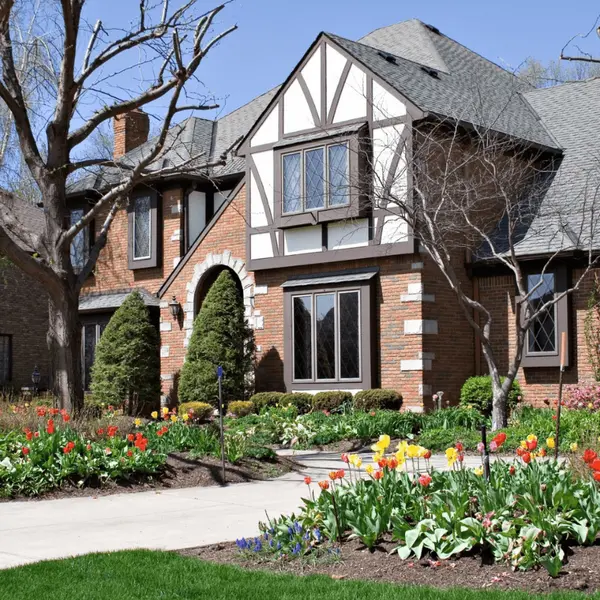
- Mid-1920s onward: larger Tudor and Spanish Colonial Revival homes on the hillside lots of the Kessler Park additions
- After World War II: Sam Dealey Estates and Kessler Woods, with one-and-a-half and two-story homes giving way to ranches
- Mid-1950s: Kessler Lake, along Kidd Springs Creek, home to a Mid-Century Modern house that cantilevers over a private lake
- 1960: Timbergrove Circle, developed by former resident and Dallas mayor Robert Folsom, with contemporary homes along Stevens Park Golf Course
- 1970s: Kessler Court and Middlebrook Place, the townhome sections that finished it off
That mix is the charm. A Spanish Revival home with a red tile roof can sit a short walk from a 1950s modern with walls of glass.
A Golf Course for a Backyard
Stevens Park Golf Course is part of the neighborhood's story. It was included in the original National Register historic district, and for many homes it means rolling green space right next door instead of another row of houses.
Between the golf course, the creeks, and the mature tree canopy, Kessler Park can feel more like a hill town than a neighborhood about three miles from downtown Dallas.
The Neighborhood That Protected Itself
Kessler Park's residents have worked for decades to keep it looking like Kessler Park.
In 1994, the first four developments and Stevens Park Golf Course were listed on the National Register of Historic Places as the Kessler Park Historic District, and the district was expanded in 1995. The Texas Historical Commission called it Oak Cliff's most architecturally significant neighborhood.
Then in 2005, the Dallas City Council unanimously approved the Kessler Park Conservation District. It covers most of the neighborhood, though not every section (Kessler Lake and the two townhome developments are outside it).
What a Conservation District Means for You
If you read Part Nine on the M Streets, this will sound familiar. A conservation district sets rules for things like setbacks, building height, and the style of additions and new construction. It's less strict than a full historic district, but it's the reason you won't find an oversized new build towering over its neighbors here.
For buyers, that's a big part of what you're paying for: the street you fall in love with is likely to look the same in 20 years.
Life in Kessler Park Today
Kessler Park is quiet and residential, but it's close to a lot.
Bishop Arts, which we covered in Part Six, is a short drive away for dinner, coffee, and local shops. Downtown is just across the river via I-30, which runs along the neighborhood's northern edge. And the larger Oak Cliff community has a strong local identity, with neighborhood associations and preservation groups that are very active.
It's the kind of place where neighbors know the history of each other's houses.
What Buyers Should Know About Kessler Park Real Estate
Kessler Park offers a wider range of homes than most Old Dallas neighborhoods, from 1920s bungalows to large hillside estates and mid-century homes. That range means you'll see a wide spread in prices and condition.
Five Things I'd Pay Attention to as a Kessler Park Buyer
- Which section the home is in. Conservation district rules, lot sizes, and home styles vary from one development to the next. Confirm which rules apply to the specific address.
- Slopes and drainage. Hillside lots are beautiful, but they need a close look at grading, retaining walls, drainage, and foundation movement.
- Age of the major systems. Many homes are 70 to 100 years old. Electrical, plumbing, HVAC, sewer lines, and insulation matter as much as the finishes.
- Original features versus renovations. Original tile, wood floors, and windows can add real value. Make sure renovations were permitted and done well.
- The right comps. A restored 1920s Tudor, a mid-century modern on the golf course, and a 1950s ranch can price very differently. Comparable sales need to match the style, section, and lot.
Always verify school assignments for the specific address, and check conservation district rules with the city before you plan any work.
Why Kessler Park Belongs in Neighborhoods to Watch
Kessler Park checks every box for this chapter. It has history, architecture you can't recreate, and protections that keep its character in place.
But it also has something the other neighborhoods in this series don't. Instead of one era, it shows you five decades of Dallas design on a single set of hills.
A Century on the Hills
More than 100 years after Kessler Square was first dedicated, the neighborhood still does what its planners hoped. The streets still follow the land. The trees are taller. And people who move here tend to stay.
It's still worth the drive across the river.
More Neighborhoods That Still Feel Like Old Dallas
- Part Six: Bishop Arts
- Part Seven: Hollywood Heights & Santa Monica
- Part Eight: Lakewood
- Part Nine: The M Streets & Greenland Hills
Thinking About Buying or Selling in Kessler Park or Oak Cliff?
Whether you're looking for a historic home with character, wondering what your Oak Cliff home could sell for, or just starting to explore, I'd love to help you sort through your options. Let's chat!
Coming Next Friday: Dallas Day Trippin' | Holiday Edition, small-town Christmas trips worth the drive from Dallas.
Categories
- All Blogs (153)
- Addison (1)
- Buyers (117)
- Dallas (21)
- Investors (46)
- Listings (2)
- McKinney (1)
- Plano (4)
- Richardson (14)
- Sellers (80)
- Series: Before it was North Dallas (10)
- Series: Dallas Day Trippin' (8)
- Series: Dallas Has a Story for That (2)
- Series: Dallas Neighborhoods to Watch (13)
- Series: Dallas Then Now Next (4)
- Series: Hot Spots & Hidden Gems (1)
- Series: Myth Monday (28)
- Series: RISD (7)
Recent Posts