The Cedars: Dallas’ Creative, Historic Neighborhood Just South of Downtown
The Cedars: Dallas’ Creative, Historic Neighborhood Just South of Downtown
The Cedars is one of the most interesting neighborhood pockets in Dallas, especially for buyers, sellers, and investors watching what is happening near Downtown Dallas, West Dallas, Trinity Groves, Bishop Arts, the Design District, North Dallas, Richardson, Plano, Allen, Frisco, and Collin County. Sitting just south of Downtown Dallas and I-30, The Cedars has become known for its industrial character, skyline views, creative energy, historic buildings, live music venues, lofts, townhomes, restaurants, galleries, and proximity to some of the biggest redevelopment projects in the city.
It is gritty in the best way.
It is creative.
It is historic.
It is evolving.
And it still feels a little under the radar compared to some of Dallas’ more obvious neighborhoods.
👉 Search Cedars Homes for Sale
Where Is The Cedars?
The Cedars sits directly south of Downtown Dallas.
The official City of Dallas Cedars Area Plan describes the area as generally bounded by I-30 to the north, the G. & S.F. Railroad to the south, the M.K. & T. Railroad to the west, and I-45 to the east.
For a practical map search, I would generally use:
North: I-30
South: Corinth Street / rail corridor
West: South Lamar Street / Botham Jean Boulevard area
East: I-45 / South Good Latimer Expressway
That captures the core area most people associate with The Cedars, including South Side on Lamar, Cedars Station, Old City Park, Gilley’s, local art spaces, restaurants, townhomes, lofts, and the area just south of the Kay Bailey Hutchison Convention Center.
Why The Cedars Stands Out
The Cedars does not feel like polished Dallas.
That is part of the appeal.
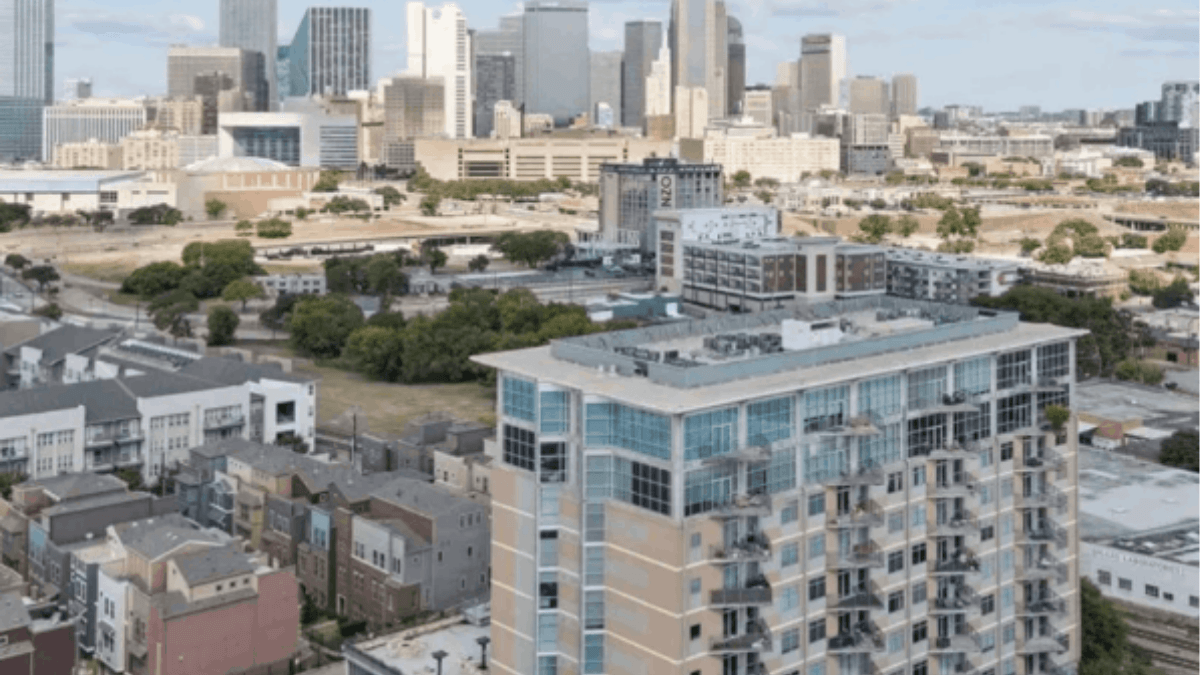
This neighborhood has an industrial, creative, almost warehouse-district feel. You see older brick buildings, converted spaces, murals, music venues, residential lofts, new townhomes, small businesses, studios, and skyline views that remind you how close you are to Downtown.
It is not trying to be Highland Park.
It is not trying to be Uptown.
It is not trying to be Bishop Arts.
The Cedars has its own personality.
It is one of those places where old Dallas, working Dallas, creative Dallas, and future Dallas are all layered together.
The History: One of Dallas’ Oldest Neighborhoods
The Cedars has deep roots in Dallas history.
The neighborhood dates back to the late 1800s, when it was known for cedar-lined streets and Victorian homes. At one point, it was one of Dallas’ most desirable residential areas, home to business leaders, professionals, and prominent families.
Over time, the neighborhood changed dramatically. Industrial growth, railroad activity, warehouses, highways, and urban development reshaped the area. Many of the original homes disappeared, but the neighborhood’s history still matters.
That history is part of what makes The Cedars feel different from newer urban districts. It has been through several lives, from early residential neighborhood to industrial district to creative hub to one of the city’s most watched redevelopment areas.
The Lifestyle: Art, Music, Lofts, and Skyline Views
The Cedars is not a traditional single-family neighborhood.
The lifestyle here is more urban, creative, and connected to Downtown Dallas. It appeals to people who want access to music venues, galleries, restaurants, coffee, loft living, townhomes, and a neighborhood that still has a little edge.
This is where you find places like South Side on Lamar, Gilley’s Dallas, Cedars Station, Old City Park, Opening Bell Coffee, local galleries, creative studios, and entertainment venues.
You also get some of the best skyline views in Dallas.
For the right buyer, that mix is exactly the point. The Cedars feels close to the action but still distinct from the glassier, more polished parts of Downtown.
Old City Park Gives The Cedars a Historic Anchor
One of the biggest historic anchors in The Cedars is City Park, also known for many years as Old City Park and Dallas Heritage Village.
It is Dallas’ first and oldest park, established in 1876, and it contains historic buildings and furnishings dating back to the 1840s. That is a pretty incredible piece of Dallas history sitting right inside the neighborhood.
For a neighborhood that is often talked about in terms of redevelopment and new construction, Old City Park is a reminder that The Cedars is not just about what is coming next. It is also about what Dallas was before the skyline, freeways, and modern growth.
That balance between old and new is what makes this area so interesting.
The South Side on Lamar Effect
South Side on Lamar is one of the most recognizable examples of adaptive reuse in The Cedars.
The former Sears warehouse was transformed into lofts, commercial space, and creative uses, helping establish the area’s identity as a place for urban living, art, entertainment, and redevelopment.
That type of project matters because it shows what The Cedars does well. Instead of wiping away every old building, some of the best parts of the neighborhood come from reimagining what already exists.
That is the kind of redevelopment that gives a neighborhood texture.
Connectivity Matters Here
One of the strongest advantages of The Cedars is its location.
You are just south of Downtown Dallas. You are close to I-30, I-45, the convention center, Farmers Market, Deep Ellum, South Dallas, Bishop Arts, and the Trinity River corridor. Cedars Station also gives the area DART Red Line and Blue Line access.
For buyers who want an urban lifestyle with transit options and quick access to major Dallas destinations, that location is a real selling point.
It also makes the area interesting for investors, especially as Dallas continues to focus on improving connectivity between Downtown, The Cedars, South Dallas, and surrounding neighborhoods.
The Convention Center Expansion Could Be a Big Deal
One of the biggest reasons to keep an eye on The Cedars is the Kay Bailey Hutchison Convention Center Dallas expansion and master plan.
That project is expected to reshape the southern edge of Downtown Dallas and create a more connected convention center district. The official master plan specifically talks about extending Downtown connectivity and opening up opportunities for The Cedars, South Dallas, and Southern Dallas.
That does not mean every property nearby automatically becomes a great investment.
But it does mean the area deserves attention.
When a major civic project changes connectivity, walkability, public spaces, visitor traffic, and surrounding land use, nearby neighborhoods often become part of a much bigger conversation.
The Cedars is definitely part of that conversation.
What Buyers Should Know
The Cedars may be a good fit for buyers who want:
An urban lifestyle
Close proximity to Downtown Dallas
Lofts, townhomes, apartments, and newer infill options
Skyline views
Restaurants, music venues, and creative spaces nearby
DART rail access
A neighborhood with history and personality
Quick access to I-30 and I-45
It may not be the right fit for someone who wants a quiet suburban street, a large yard, or a more traditional residential neighborhood feel.
The Cedars is more about energy, access, creativity, and future potential.
What Sellers Should Know
If you are selling a property in The Cedars, the marketing has to tell the bigger story.
This is not an area where you only talk about square footage and bedroom count. Buyers need to understand the neighborhood, the skyline views, the proximity to Downtown, the creative culture, the DART access, the convention center expansion, and the history of the area.
A property in The Cedars should be positioned as part of a lifestyle.
That means explaining what makes the location different, who it is likely to appeal to, and why this part of Dallas is worth watching.
What Investors Should Watch
For investors, The Cedars is compelling because it sits near Downtown Dallas, transit, entertainment, historic adaptive reuse projects, and major public investment.
But this is not a neighborhood to buy into casually.
Investors should look closely at zoning, parking, short-term rental rules, development activity, floodplain or drainage considerations, property condition, nearby construction, rental demand, insurance, taxes, and whether the property sits in the strongest part of the neighborhood.
The Cedars has real potential, but the numbers still need to work.
Location excitement should never replace due diligence.
The Bottom Line
The Cedars is one of Dallas’ most layered neighborhoods.
It has history.
It has grit.
It has art.
It has music.
It has skyline views.
It has old buildings with new uses.
It has transit access.
It has proximity to Downtown Dallas.
And it sits near one of the largest civic redevelopment projects Dallas has seen in decades.
For buyers, it offers a more creative urban lifestyle.
For sellers, it offers a strong location story when marketed well.
For investors, it offers long-term interest, but only with careful analysis.
The Cedars is not for everyone, and that is exactly what makes it interesting.
If you are thinking about buying, selling, or investing in The Cedars, Downtown Dallas, West Dallas, Bishop Arts, Trinity Groves, the Design District, or near the future Harold Simmons Park area, reach out anytime. I would be happy to help you compare neighborhoods, understand the market, and decide which area fits your goals best. Let's chat!

Kelly Reber, REALTOR® | eXp Realty LLC | Texas License #0483312
Licensed since 2000
Dallas | Richardson | Plano | Addison | North Dallas
Dallas native Kelly Reber has been helping buyers, sellers, relocating clients, and investors navigate North Dallas real estate since 2000. She combines deep local knowledge, data-driven strategy, and straightforward advice to help clients make confident real estate decisions.
Learn more: About Me
Categories
Recent Posts